
Article · AI in Banking
Why the U.S. Still Struggles With Real-Time Payments
Most Americans believe money moves instantly. Card taps, wallet transfers, and P2P apps create the illusion of speed. In reality, large parts of the U.S.
Dato Arif Siddiqui · 7 Feb 2026
Most Americans believe money moves instantly. Card taps, wallet transfers, and P2P apps create the illusion of speed. In reality, large parts of the U.S. payment system still rely on batch settlement, delayed posting, and weekday-only processing. This growing mismatch between customer expectations and banking infrastructure is now one of the most critical strategic issues in payments.
Over 80% of U.S. consumers believe bank transfers are instant (Federal Reserve surveys). ACH still processes the majority of account-to-account payments in batch cycles.
WHAT FEDNOW IS — AND WHY IT EXISTS
FedNow is a real-time gross settlement service operated by the Federal Reserve. It enables participating banks and credit unions to send and receive instant payments 24x7x365, including weekends and holidays. Each transaction settles individually across Federal Reserve accounts, providing immediate and final settlement.
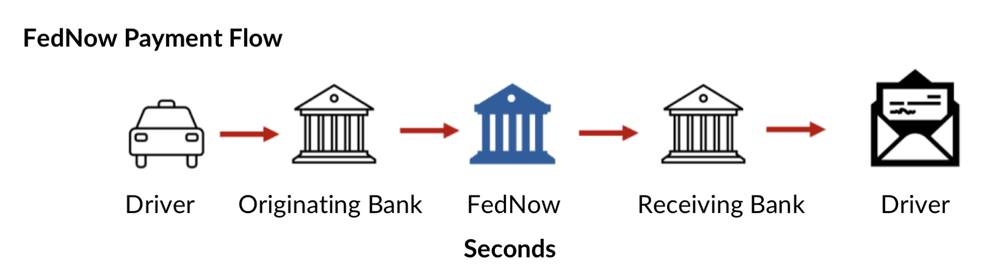
FedNow launched July 2023. Operates 24x7x365. Settlement finality in seconds • Available to banks of all sizes. The Harvard Kennedy School study on faster payments explains that the U.S. delay in real-time payments was not technological. It was structural. Fragmented governance, multiple private networks, and weak incentive alignment slowed national progress. FedNow was designed as public infrastructure to close that gap.
HOW ACH STILL DOMINATES — AND WHY
ACH remains the backbone of U.S. payments. Payroll, bill payments, government disbursements, and recurring transactions depend on it. ACH operates by collecting transactions in batches and settling them during predefined windows, usually on business days.
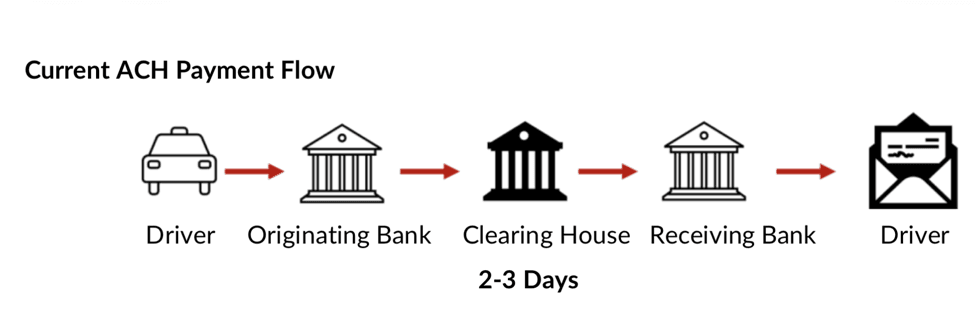
ACH processes tens of billions of payments annually. Same Day ACH still has cut-off times. ACH pauses on weekends and federal holidays. ACH provides banks with flexibility. Returns are possible. Exceptions can be handled. Risk can be managed after posting. But this flexibility comes at the cost of speed, certainty, and customer experience.
FEDNOW WORKFLOW: FROM BATCH TO REAL TIME
FedNow replaces batch logic with transaction-by-transaction settlement. When a customer initiates a FedNow payment, the sending bank validates the request instantly and sends it to the FedNow service. FedNow verifies participation, confirms liquidity, and settles immediately. The receiving bank posts funds in real time.
No cut-off times, no end-of-day processing, no settlement delay, and Irrevocable transactions. This speed unlocks new use cases but also shifts responsibility. Fraud prevention, authentication, and limits must move to the front of the process.
FEDNOW VS RTP: TWO RAILS, ONE MARKET
The United States has two real-time payment rails. RTP, operated by The Clearing House, launched earlier and is owned by large banks. FedNow, operated by the Federal Reserve, is positioned as a public utility.
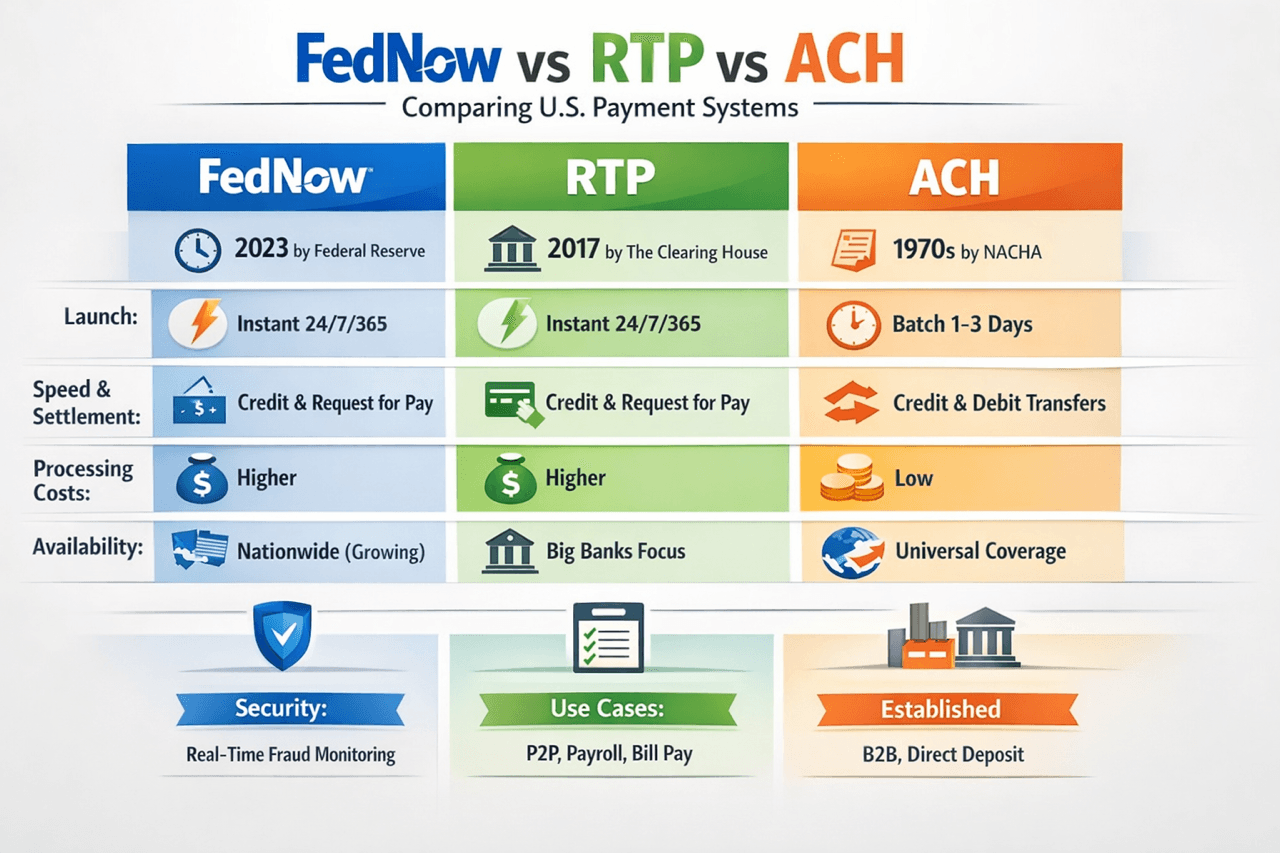
RTP launched in 2017, and FedNow launched in 2023. RTP uses prefunded accounts, and FedNow settles via Fed master accounts. Both rails offer instant settlement, but governance and incentives differ. Supporting both increases cost and complexity. Limited interoperability weakens network effects.
WHY FEDNOW ADOPTION IS SLOW?
FedNow adoption has been deliberate rather than explosive. Participation is voluntary. Many large banks already offer near-instant experiences using cards, Zelle, and internal transfers. Smaller banks face high readiness costs.
24x7 operations required, Real-time fraud monitoring needed, Core system upgrades often required. Fraud risk is a major inhibitor. Instant payments are irreversible. Scam losses move faster than dispute processes. Banks must redesign controls before scaling.
GLOBAL COMPARISON: WHY OTHERS MOVED FASTER
India’s UPI, China’s WeChat Pay, and Singapore’s PayNow show a consistent pattern: one interoperable rail, strong governance, and simple user identity layers.
UPI processes billions of transactions monthly. QR-based payments dominate merchant acceptance. National coordination accelerated adoption. The U.S. ecosystem is innovative but fragmented. Cards are world-class. Wallets are strong. Instant account-to-account ubiquity remains elusive.
WHY BANKS HESITATE
Banks prioritize initiatives with clear ROI. FedNow competes with cybersecurity, regulatory compliance, cloud migration, and core modernization. Instant payments can also reduce wire fees and float-based income.
Payments revenue remains card-driven, ACH remains low-cost and predictable, and Instant A2A economics are still evolving.
WHAT COMES NEXT
FedNow’s success will be use-case driven. Payroll, insurance payouts, government disbursements, SMB invoicing, and treasury liquidity are natural starting points. As receive-only adoption grows, network effects will follow.
FedNow is not late. It is foundational. Real-time payments succeed when technology, incentives, and trust align. The rail exists. The ecosystem must catch up.
If you lead payments, banking, or fintech strategy, now is the time to assess readiness. Real time is no longer optional.
References
Harvard Kennedy School – Reaching Real Time: Payments in the United States
Federal Reserve – FedNow Service Overview
NACHA – How ACH Payments Work,
The Clearing House – RTP Network Overview