
Article · AI in Banking
Hybrid Approaches: Combining Machine Learning Techniques to Tackle Complex, Growing Cyber Threats
Cybersecurity faces complex threats like APTs, zero-day vulnerabilities, and polymorphic malware. These threats can bypass traditional defenses and singular ML techniques.
Dato Arif Siddiqui · 1 Apr 2025
Hybrid Approaches in Cybersecurity
Cybersecurity faces complex threats like APTs, zero-day vulnerabilities, and polymorphic malware. These threats can bypass traditional defenses and singular ML techniques. To address them, organizations now use hybrid approaches. These approaches combine multiple ML techniques (supervised, unsupervised, and reinforcement learning) with rule-based methods and AI frameworks. Hybrid models improve detection capabilities, adaptability to growing attack patterns, and optimize threat response by leveraging the strengths of each approach.
Hybrid approaches enhance accuracy and resilience in cyber defence. They fuse different ML techniques to provide layered protection. This enables more robust detection of subtle or stealthy threats that could evade single-method detection. The approach addresses critical cybersecurity needs like anomaly detection, real-time threat response, and adaptive learning from new data. Hybrid models are especially useful in complex environments, such as extensive networks, cloud infrastructures, and IoT ecosystems.
Components of Hybrid Approaches in Cybersecurity
Hybrid cybersecurity frameworks use multiple machine learning models working together to create a comprehensive defence system. We outline common configurations below that combine multiple ML techniques, each tailored for specific security tasks.
Supervised + Unsupervised Learning:
This combination of methods enables us to identify both familiar and unfamiliar threats. Supervised models recognize familiar attack patterns, while unsupervised learning identifies unusual or unknown threats by grouping and isolating outliers.
Reinforcement Learning + Supervised Learning:
Supervised learning models excel at recognizing and categorizing known cyberattacks, but reinforcement learning takes a dynamic approach, adapting its responses based on feedback to optimize defences against growing threats.
Rule-Based + Machine Learning:
Traditional rules focus on known threats, like blocking malicious IPs, while ML models provide dynamic protection by identifying growing attacks, like polymorphic malware and sophisticated phishing schemes.
Multi-Model Ensembles:
Ensemble learning leverages predictions from various machine learning models, including decision trees, random forests, and neural networks, to enhance the overall detection accuracy. Combining models that identify different threat traits, ensemble methods offer enhanced performance and robustness.
Applications of Hybrid Approaches in Cybersecurity
Cybersecurity domains employ hybrid models, delivering comprehensive protection against growing threats by addressing both known and unknown vulnerabilities. Below are key applications where hybrid approaches have proven effective:
Intrusion Detection and Prevention Systems (IDPS):
Combining supervised learning for known threats and unsupervised anomaly detection for unusual behavior, hybrid approaches improve intrusion detection and prevention systems (IDPS). Supervised models focus on recognized threats, like known malware, while unsupervised models flag unusual network activity that could signal new attack types.
A hybrid IDPS can flag packets with known attack signatures using a supervised learning model. It can also monitor for abnormal network patterns, like unusual data flows or access from unfamiliar IP addresses. These patterns could show a zero-day attack or an insider threat.
Advanced Persistent Threat (APT) Detection:
Advanced Persistent Threats (APTs) are complex attacks that happen in phases, often staying hidden from typical security measures. By blending rule-based filtering and reinforcement learning, hybrid methods can identify and counteract these threats. Rules offer a basic defense, which is then refined by reinforcement learning as it adapts to changing threats.
In detecting APTs, a hybrid system uses a two-step process. First, it screens for known malicious behaviors like unauthorized access attempts. If the system detects a potential APT, reinforcement learning optimizes responses. It learns to recognize growing patterns and adapt to new phases of the attack, like lateral movement within the network.
Endpoint Detection and Response (EDR):
EDR systems using hybrid models can detect familiar malware using supervised learning and identify new threats through anomaly detection techniques, providing comprehensive endpoint protection. Reinforcement learning can automatically isolate or contain threats by learning from past responses, ensuring prompt quarantine of harmful systems.
An EDR system can use supervised learning to identify known ransomware signatures on an endpoint. In addition, an unsupervised anomaly detection model can monitor for abnormal file access patterns. If the model detects unusual behavior that suggests ransomware activity, reinforcement learning isolates the endpoint. This prevents the ransomware from spreading across the network.
User and Entity Behavior Analytics (UEBA):
UEBA’s hybrid approach uses unsupervised clustering to spot unusual activity and supervised classification to pinpoint specific threats like phishing or unauthorized access. By using this setup, UEBA systems can watch how users behave and spot unusual activity, which helps reduce the chance of insider threats.
A UEBA platform uses unsupervised clustering to set behavioural baselines for employees and detect deviations. For example, it can detect accessing sensitive files at unusual times. If the behavior matches known insider threat profiles, a supervised learning model confirms the activity. This reduces false positives and prevents the system from flagging legitimate access requests.
Email and Phishing Detection:
Hybrid approaches can combat the widespread cyber threat of phishing. Supervised learning models recognize typical phishing traits in emails, like suspicious links or wording, whereas unsupervised learning identifies unusual email behavior, like unexpected messages from trusted sources.
In an email security system, a supervised model identifies known phishing traits. These traits include certain keywords or links. Simultaneously, unsupervised learning monitors communication patterns between users. It flags emails that deviate from normal patterns. This can help catch a phishing attempt that lacks typical indicators.
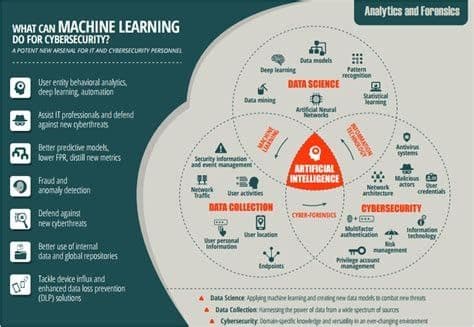
Advantages of Hybrid Approaches in Cybersecurity
By combining multiple machine learning techniques, hybrid approaches offer several benefits in handling sophisticated, growing cyber threats.
Increased Detection Accuracy: Hybrid models leverage the strengths of multiple machine learning methods to enhance overall accuracy. For example, supervised models minimize false alarms by identifying familiar threats, while unsupervised models broaden detection by recognizing unusual activity.
Resilience Against Growing Threats: Hybrid techniques can adapt to evolving attack patterns. Reinforcement learning adapts threat response strategies as new threats arise, while anomaly detection recalibrates its baselines to account for growing patterns in dynamic environments.
Reduced False Positives: Hybrid systems blend supervised learning for known threats with unsupervised learning for unknown threats, achieving a balance between sensitivity and specificity. This minimizes false positives, preventing security teams from being overloaded with unnecessary alerts.
Adaptive and Scalable: Hybrid models display adaptability, effortlessly navigating through diverse data sources. This adaptable approach enables organizations to use a mix of methods for different cybersecurity applications.
Proactive Threat Management: Hybrid models offer proactive security by identifying potential threats before they become serious problems. Unsupervised models spot problems, making early detection possible, while reinforcement learning models adjust their responses based on feedback, making them faster.
Challenges in Implementing Hybrid Approaches in Cybersecurity
Despite their advantages, hybrid approaches face several challenges organizations must address to maximize effectiveness:
Complexity and Computational Demands: Building hybrid models demands considerable computing power when blending deep learning and reinforcement learning approaches. Combining many models can slow processing, making real-time use more difficult.
Data Integration: Training hybrid models requires a diverse range of data, including network logs, user activity records, and system alerts. Accurate model outputs depend on consistent and high-quality data, as poor data integration can lead to errors.
Tuning and Maintenance: Hybrid vehicles are intricate systems that demand frequent tuning and maintenance to maintain optimal performance. To minimize false positives and ensure efficient threat detection, it’s essential to balance supervised, unsupervised, and reinforcement learning models.
Interpretability: Understanding hybrid models, those using deep learning and ensemble techniques, can be challenging. Compliance and post-incident analysis require a thorough understanding of how anomaly detection and automated responses work.
Costs and Resources: Hybrid systems require substantial investments in infrastructure, specialized staff, and continuous monitoring. Organizations must weigh the benefits against the costs, considering their unique security requirements.
Future Directions for Hybrid Approaches in Cybersecurity
Experts expect hybrid approaches to play a central role in the future of cybersecurity as cyber threats grow complex. Potential developments include:
Explainable Hybrid Models: Explainable AI research can improve the transparency of hybrid models, allowing security teams to understand their decision-making process, fostering trust and accountability.
Federated Hybrid Models: Federated learning allows models to learn from data scattered across multiple devices without compromising privacy by sharing sensitive information. Federated hybrid models in cybersecurity could enable organizations to work together on identifying threats while still protecting sensitive data.
Real-Time Hybrid Threat Intelligence: With more powerful computers, we can combine data from different places to identify threats as they happen and get instant advice on what to do.
Autonomous Hybrid Systems: Combining reinforcement learning with other ML techniques holds the potential to develop autonomous systems capable of automatically detecting, analyzing, and responding to threats, minimizing human intervention and streamlining incident response.
Hybrid machine learning approaches have emerged as essential tools in the cybersecurity landscape, effectively addressing the challenges posed by sophisticated and evolving cyber threats. By integrating various machine learning techniques—such as supervised, unsupervised, and reinforcement learning—these hybrid models enhance detection accuracy, adaptability, and resilience. They are particularly adept at identifying both known and novel threats, reducing false positives, and providing proactive threat management across diverse applications, including intrusion detection systems, advanced persistent threat detection, and phishing prevention.
The implementation of hybrid models, however, is not without challenges. Issues such as computational complexity, data integration, model interpretability, and the need for continuous maintenance require careful consideration. Despite these hurdles, ongoing research and technological advancements are paving the way for more efficient and explainable hybrid systems. Innovations like explainable AI, federated learning, and autonomous threat intelligence systems hold promise for enhancing the effectiveness and transparency of hybrid approaches in cybersecurity.
As cyber threats continue to grow in complexity, the adoption and refinement of hybrid machine learning models will be crucial. Organizations must invest in these advanced systems to bolster their defense mechanisms, ensuring robust protection against both current and future cyber threats.
Further reading:
IBM Research. (2021). Hybrid Approaches in Cybersecurity. IBM Whitepapers.
Darktrace. (2022). Using AI and Hybrid Models for Advanced Threat Detection. Darktrace Whitepapers.
The article was extracted from my book "Artificial Intelligence in Cybersecurity". To dive deeper into these insights, click this link to get the book from Amazon https://www.amazon.com/dp/B0DZ2WKK1L